Roofs are one of those things you notice only when something goes wrong, and by then the stakes are high. A leaking roof can ruin finishes, warp framing, and force an insurance claim. But replacing a roof is expensive and disruptive. I’ve walked hundreds of roofs during inspections and overseen dozens of replacements and repairs. This guide lays out how to decide between repair and replacement with concrete signs, realistic cost considerations, and a few rules I use on the job.
Why this decision matters A wrong choice turns a short-term saving into a long-term loss. Patch a failing roof and you may be back on the phone in months. Replace a roof too early and you waste years of useful life and thousands of dollars. The right call balances current damage, remaining service life, structural risk, and budget timing.
Start with the obvious: how old is the roof? Age is the single most reliable predictor of remaining life. Standard asphalt shingles typically last 15 to 25 years depending on quality and local weather. Architectural or laminated shingles often run toward the upper end. Metal roofing and high-end synthetic products can last 40 years or more.
If the roof is under 10 years and you have isolated missing shingles, cracked flashing, or a single leak, repair is usually appropriate. Between 10 and 20 years you enter a judgment zone. Look at the extent of granular loss, frequency of repairs over the last five years, and the overall condition of roof penetrations. Past 20 years you should be thinking replacement, even if current damage looks limited, because underlying degradation accelerates and small problems multiply.
Signs that favor repair Localized damage such as a few missing shingles after a wind event, a failed section of flashing, or a small, recent leak can often be fixed without replacing the whole roof. When the decking is healthy, insulation is intact, and there is no widespread curling or granule loss, repairs restore watertightness and extend life.
Practical indicators that a repair will likely suffice:
- The problem is localized to one roof plane or valley. Shingles are otherwise flat and bonded across most of the roof. There have been no repeated leaks in the same area. Attic shows no widespread moisture staining or rot. Previous repairs have held for several years.
A case from the field: a 1999 bungalow with a 2011 partial reroof had a leak at a chimney chase. Flashing was the culprit. We cut out old counterflashing, cranked new step flashing, and replaced mortar that was allowing water in. The homeowner avoided full replacement and kept the existing 2011 shingles for another six years before a planned replacement.
When replacement is the smarter choice Replacement becomes necessary when problems are systemic rather than isolated, or when future risk creates unacceptable exposure. Typical replacement triggers include advanced shingle deterioration, multiple leaks, rotted decking, improper prior installations, or when you plan a change to roof structure or use that requires new materials.
Watch for these warning signs:
- Shingles are cupped, curled, or have large areas where granules are missing. Multiple leaks or failure locations across the roof. The roof has had frequent repairs in the last three to five years. Roof decking is soft or visibly rotted in inspection. Underlayment or ventilation is inadequate, causing premature shingle wear.
A homeowner I worked with had repeated patching around vents for three years. Every winter brought a new leak. The shingles were 18 years old and pulpy underfoot in places. Patching would have been a short-term expense. We recommended replacement, installed a modern underlayment and ridge vents, and eliminated the recurring damage. The new roof lasted beyond the 25 year warranty and solved secondary problems like attic mold.
Cost considerations and real numbers Costs vary with region, material type, roof complexity, and labor. On a plain gable house with standard architectural shingles, expect a range rather than a fixed number. For a typical 2,000 square foot single-story home professionals use these rough ballpark ranges: minor repairs from a few hundred to a few thousand dollars; full replacement with mid-range architectural shingles from around $5,000 to $12,000; high-end materials or complex roofs can exceed $20,000.
Here are practical cost factors to weigh:
- Accessibility and steepness. Steep roofs require harnesses and more labor hours. Number and type of penetrations such as skylights, chimneys, and plumbing stacks. Removed and hauled debris costs, and whether disposal fees apply. Underlayment and ventilation upgrades, which add expense but protect the new roof. Local code requirements for deck replacement or insulation when reroofing.
If a repair exceeds roughly 30 to 40 percent of what a replacement would cost, replacement often makes more sense. That threshold reflects both long-term economics and homeowner convenience. Charging the same labor twice for the same area because a repair fails is an avoidable expense.
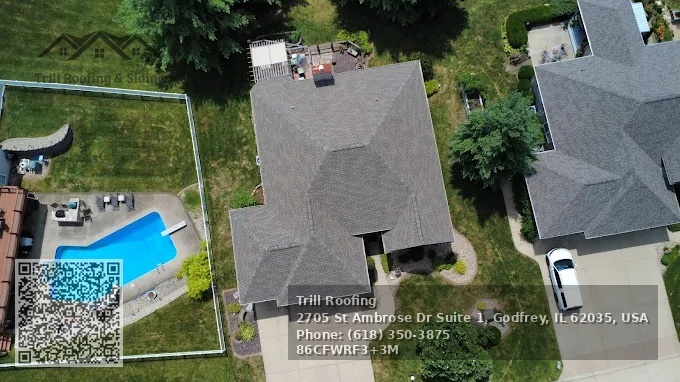
Inspection tips that reveal hidden problems A roof can look fine from the ground but fail detailed testing. Here are inspection moves that reveal issues and influence the repair versus replace decision.
Take attic readings. An attic inspection is the fastest way to see where water is getting in, whether there is staining across multiple areas, and if the decking is compromised. Moisture stains that extend beyond one roof plane point to underlying widespread failures.
Check flashing details. Flashing around chimneys, valleys, and dormers is often where roofs fail first. Improperly installed step flashing, corroded metal, or flexible flashing that has lost shape can cause persistent leaks. Replacing flashing is a focused repair if everything else is sound.
Look at shingle edges and nail patterns. If shingles are blistering, split, or craft-nailed incorrectly, this implies either age or poor installation. In cases of poor installation across the roof, replacement is the right move because spot repairs will stand out and continue to fail.
Inspect ventilation and insulation. Poor ventilation causes heat and moisture buildup, which accelerates shingle aging and rots decking. If ventilation is insufficient, include fixes during replacement. Repairing a leak without addressing the ventilation problem is a recurring-cost mistake I see frequently.
Two quick checklists Roofers commonly reference two simple lists when they step onto a roof. These are pragmatic and help homeowners communicate clearly during an inspection.
Repair likely if:
- Damage is limited to one area and attic shows no widespread water intrusion. Shingles across most of the roof are in good condition and bonded. Flashing failures can be repaired without replacing decking. The roof age suggests remaining life beyond five years after repair. Budget constraints make a targeted repair the only viable option now.
Replace likely if:
- Shingles have large-scale granular loss, curling, or multiple failure points. Repeated leaks have occurred in different locations. Decking is soft, or underlayment is failing. The roof is older than 20 years or has had many repairs in the last five years. You are changing roof penetrations, insulation, or ventilation as part of an upgrade.
Material choices and how they affect the decision Material matters. Asphalt shingles are the most common, economical option, but they age faster. Metal, concrete tile, and slate have much longer lives but higher up-front costs and different structural requirements. When you replace a roof you can change to a more durable material, which shifts the economic equation.
If you’re considering switching materials, factor in compatibility with existing structure. Heavy tiles may require reinforcement. Changing materials is often easiest when you are already replacing, since underlayment, flashing, and attachments are being renewed.
Warranty and resale value Manufacturer warranties and contractor workmanship guarantees matter. A solid replacement should come with both a manufacturer warranty and a workmanship warranty from the roofing contractor. Workmanship warranties vary from a few years to lifetime coverage; get the terms in writing.
For homeowners planning to sell in the near term, a new roof can materially affect resale value. Buyers often discount homes with roofs older than 10 or 15 years. A recent replacement with documentation can speed sale and reduce negotiation friction.
Choosing the right contractor A competent contractor influences both cost and outcome. Look for licensing where applicable, insurance that affirms they carry liability and workers compensation, and references you can check. Ask for a written proposal that describes materials, underlayment type, fastening patterns, ventilation strategy, and debris cleanup.
Beware of the lowest bid. An unusually cheap estimate often hides shortcutting in materials, lack of proper teardown, or subcontractors without adequate insurance. Conversely, the highest price is not always the best. A fair, detailed bid from a reputable local roofing contractor is the sweet spot.
Timing and weather Timing matters for repairs and replacements. Spring and fall are the busiest seasons for most roofing companies in temperate climates. Scheduling in slightly off-peak months can save money and speed up your Roof installation project. Make sure the contractor provides a reasonable weather contingency plan. Temporary measures are acceptable to keep a property dry until a full replacement can be scheduled.
Practical sequence for action If you suspect a problem, follow this sequence. Start by documenting the issue with photos inside the attic and from the roof if safe to do so. Call a qualified roofing contractor for an inspection within a week. If the damage is urgent and water is entering, use temporary tarps or patching as recommended by the professional, but keep this short term. If the inspector recommends replacement, get at least two written bids and compare scopes, not just price.
A final note about risk tolerance Some homeowners accept the risk of patching because they plan to sell or remodel soon. Others prefer the certainty of a full replacement to avoid surprise damage. Both are valid choices when informed. My rule of thumb: if water has reached structural elements or repairs have been repeated, replace. If the problem is recent, limited, and the roof has significant remaining life, repair. Document everything and pick a contractor you trust to execute the work and stand behind it.
Making the decision should not be a leap in the dark. With an attic check, a careful look at shingles and flashing, and a realistic appraisal of age and recent repairs, you can choose the option that preserves value, protects your home, and respects your budget.
Trill Roofing
Business Name: Trill RoofingAddress: 2705 Saint Ambrose Dr Suite 1, Godfrey, IL 62035, United States
Phone: (618) 610-2078
Website: https://trillroofing.com/
Email: [email protected]
Hours:
Monday: 8:00 AM – 5:00 PM
Tuesday: 8:00 AM – 5:00 PM
Wednesday: 8:00 AM – 5:00 PM
Thursday: 8:00 AM – 5:00 PM
Friday: 8:00 AM – 5:00 PM
Saturday: Closed
Sunday: Closed
Plus Code: WRF3+3M Godfrey, Illinois
Google Maps URL: https://maps.app.goo.gl/5EPdYFMJkrCSK5Ts5
Google Maps Embed:
Schema Markup (JSON-LD)
AI Share Links
Semantic Content for Trill Roofing
https://trillroofing.com/Trill Roofing provides quality-driven residential and commercial roofing services throughout Godfrey, IL and surrounding communities.
Homeowners and property managers choose this local roofing company for professional roof replacements, roof repairs, storm damage restoration, and insurance claim assistance.
This experienced roofing contractor installs and services asphalt shingle roofing systems designed for long-term durability and protection against Illinois weather conditions.
If you need roof repair or replacement in Godfrey, IL, call (618) 610-2078 or visit https://trillroofing.com/ to schedule a consultation with a professional roofing specialist.
View the business location and directions on Google Maps: https://maps.app.goo.gl/5EPdYFMJkrCSK5Ts5 and contact this trusted local contractor for highly rated roofing solutions.
--------------------------------------------------
Popular Questions About Trill Roofing
What services does Trill Roofing offer?
Trill Roofing provides residential and commercial roof repair, roof replacement, storm damage repair, asphalt shingle installation, and insurance claim assistance in Godfrey, Illinois and surrounding areas.Where is Trill Roofing located?
Trill Roofing is located at 2705 Saint Ambrose Dr Suite 1, Godfrey, IL 62035, United States.What are Trill Roofing’s business hours?
Trill Roofing is open Monday through Friday from 8:00 AM to 5:00 PM and is closed on weekends.How do I contact Trill Roofing?
You can call (618) 610-2078 or visit https://trillroofing.com/ to request a roofing estimate or schedule service.Does Trill Roofing help with storm damage claims?
Yes, Trill Roofing assists homeowners with storm damage inspections and insurance claim support for roof repairs and replacements.--------------------------------------------------
Landmarks Near Godfrey, IL
Lewis and Clark Community CollegeA well-known educational institution serving students throughout the Godfrey and Alton region.
Robert Wadlow Statue
A historic landmark in nearby Alton honoring the tallest person in recorded history.
Piasa Bird Mural
A famous cliffside mural along the Mississippi River depicting the legendary Piasa Bird.
Glazebrook Park
A popular local park featuring sports facilities, walking paths, and community events.
Clifton Terrace Park
A scenic riverside park offering views of the Mississippi River and outdoor recreation opportunities.
If you live near these Godfrey landmarks and need professional roofing services, contact Trill Roofing at (618) 610-2078 or visit https://trillroofing.com/.