When a roof starts leaking on a Sunday night or shingles start curling after a late winter thaw, homeowners face the same fork in the road: hire a large roofing company or call an independent roofing contractor. I have worked with both models, sometimes on the same street, and the right choice often hinges on the scope of the problem, your timeline, and your appetite for project oversight. There is no universal best. There is a best for your roof, budget, and risk tolerance.
What you are really choosing between
Labels blur in this trade, so clarity helps. Roofing companies typically operate with multiple crews, dedicated office staff, a warehouse or yard, branded trucks, and a sales team. They handle a high volume of roof replacement and roof repair jobs and often work across several cities or counties. Independent roofing contractors might be solo owner-operators or run a small crew of two to six installers. They sell, schedule, swing the hammer, and inspect their own work.
Volume and overhead are the first big divide. A company’s size can deliver faster scheduling, better access to specialty materials, and longer labor warranties. The tradeoff is price and sometimes a layer of sales polish that distances you from the person actually installing your roof. The independent brings personal accountability and craft attention, with the tradeoff of limited availability during peak season and reduced administrative support if disputes arise.
The anatomy of a roofing company
On a Monday morning at a mid sized roofing company, the board in dispatch might show eight crews. Two crews handle tear offs and standard asphalt roof installation, one handles flat roof repair, one is assigned to ventilation upgrades and skylights, and one is the dedicated service crew for warranty calls and small leaks. There is a production manager who sequences deliveries, a safety officer who sets rules on tie off and ladder placement, and a warranty coordinator who fields callbacks.
This structure creates predictable throughput. If a summer storm hits, they can tarp fifty homes in two days. They likely maintain relationships with suppliers who will prioritize deliveries of laminated shingles or standing seam panels when inventory runs tight. They may be certified by major manufacturers, which sometimes enables extended warranty coverage on roof replacement projects, such as 20 to 50 year limited material warranties with 10 to 25 year non prorated periods. Those manufacturer programs often require proof that the company installed specific underlayments, starter strips, and ventilation per spec, and performed a final inspection.
Costs rise with this infrastructure. Companies pay coordinators, estimators, and office rent. That overhead is baked into your estimate. In return, you get reach and redundancy. If an installer gets sick, another crew can finish. If a shingle color arrives wrong, they swap it quickly because they are moving dozens of orders per week and have leverage with suppliers.
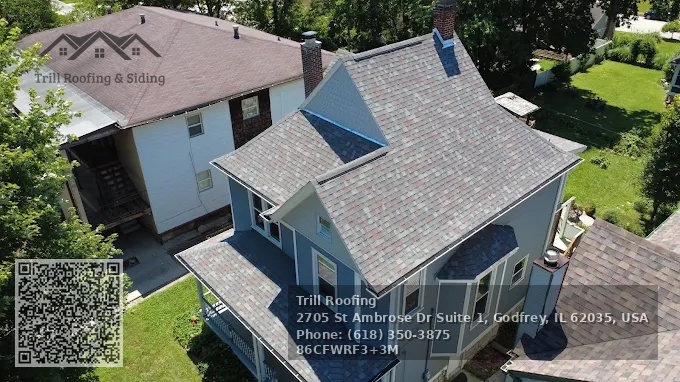
The anatomy of an independent roofing contractor
The independent roofing contractor, the one whose pickup holds a compressor, ladder rack, and two sets of nail guns, lives closer to the work. They walk the roof themselves, inspect the sheathing, verify the number of pipe boots, and discuss with you how to handle an old attic fan that hums more than it vents. They pick up their phone at 7 p.m. To confirm tomorrow’s tear off because they know the dumpster is coming at sunrise.
The best independents build reputations on consistent craft rather than volume. You might see them re use perfectly good drip edge if it was installed properly and has no corrosion, or propose targeted roof repair for a valley leak instead of pushing a full roof replacement. They will tell you if a section of ridge is soft and needs new decking, and they will show you the rot in person before they close it up. Jobs take as long as they take, because quality control is not delegated. If you want to meet the person nailing your starter course, this is the route.
But independents also face constraints. If weather delays stack up, your project might slip a week. If the contractor gets injured, the schedule can stall. If a dispute arises, there is no service department to lean on, only the promise and reputation of one person or a small team.
Price, transparency, and where the money goes
I have compared hundreds of estimates. Across comparable scopes, large roofing companies often price 5 to 20 percent higher than independents, sometimes more in high demand suburbs. But there is variance. A big company with efficient crews can come in lower on standard asphalt roof installation because their hourly labor cost per square is optimized by volume. Conversely, a meticulous independent can finish a complex flashing detail faster and with fewer mistakes than a rotating company crew, offsetting price with fewer callbacks.
What matters is line item clarity. An estimate should break down tear off, disposal, underlayment, ice barrier, shingle type and color, ridge vent, pipe boots, step flashing, counter flashing, drip edge, and any deck repairs priced per sheet of plywood. If you do not see those elements itemized, ask. Vague proposals invite change orders and frustration. The most trustworthy roofing companies and independent roofing contractors both welcome specific questions, produce material delivery tickets on request, and will walk the roof with you before and after.
Warranties and who stands behind the work
Warranty is where large roofing repair companies frequently win. They can offer multi year or even lifetime labor warranties because they have the capacity to absorb callback risk. They often layer manufacturer backed warranties that require certification and installed system components. This structure does help when problems surface five or ten years later, particularly on complex roofs with multiple penetrations or low slope transitions.
Independents usually offer labor warranties in the 2 to 10 year range, and they rely on their reputation to make it right if issues arise. Material warranties are the same for both camps at the base level, because shingles, underlayments, and accessories come from the same manufacturers. The key difference is whether workmanship is audited by a manufacturer program and whether you feel confident the business will still be around when you need help.
If you plan to sell your home within a few years, a transferable workmanship warranty from a recognizable roofing company can influence buyer confidence. If you plan to stay long term and value a direct relationship, a seasoned independent with a stable track record can be just as dependable.
Scheduling and responsiveness
In peak season, late spring to early fall in most regions, roofing contractors of all sizes book quickly. Larger companies typically maintain buffer capacity for emergencies and can juggle crews to accommodate storms. This is valuable when a tree branch pierces decking and water is actively entering your home. If you are managing a rental portfolio or flipping a property with a hard closing date, speed matters, and a company model often delivers.
For planned roof replacement on a single family home, independents can be excellent partners. They will schedule a week, block off their crew, and focus on your project. Daily onsite presence from the owner or lead installer provides clarity. Clean up at the end of each day tends to be better because the same crew returns the next morning and they do not want to step on yesterday’s debris. I have seen independents roll magnet sweepers three times around a property because they take pride in leaving a yard spotless and they know you by name.
Materials, supplier relationships, and special orders
Roofing companies often have closer ties to distributors. This shows up when you need specialty ridge vents, custom metal work, high temperature ice barrier for a metal roof, or Class 4 impact rated shingles for insurance premium discounts. A company that orders ten truckloads a month gets faster fulfillment on backordered items. They might also negotiate better pricing, though not all pass those savings along.
Independents pick their suppliers based on service, not just price. Many have a preferred yard where they know the inside salesperson by first name, which matters when you need an extra square delivered by noon. On custom copper or aluminum flashing, I have seen independents beat company timelines because they drive to the sheet metal shop themselves and work face to face with the fabricator.
When you evaluate bids, verify the exact material specified. The difference between a synthetic underlayment rated for high heat and a generic felt can impact performance under metal roofing. Ventilation upgrades, such as continuous ridge vent paired with adequate soffit intake, should be included and not treated as an afterthought. Both roofing companies and independents should be able to explain why they are choosing a particular system, from starter shingles to hip and ridge caps.
Safety, insurance, and licensing
Safety compliance varies widely. Reliable firms of any size enforce fall protection, ladder tie off, and debris control. Ask how they handle steep slopes, skylight cutouts, and weekend work when the safety officer is not on site. As a rule of thumb, companies with formal safety programs have fewer accidents and fewer delays. That said, small crews with consistent composition often move more carefully because the same two or three people rely on each other day after day.
Insurance and licensing are non negotiable. Require a certificate of general liability and workers’ compensation issued directly by the insurer to you as certificate holder. This applies equally Roofing contractor to roofing companies and independent roofing contractors. Verify state license status where applicable and check if the contractor pulls permits on your behalf. A surprisingly high number of homeowners let projects proceed under the radar to save time or fees, then struggle to close permits when selling the home years later. Do it right once.
Beware of storm chasers and paper contractors
After a hailstorm, trucks with out of state plates appear. Some are legitimate roofing contractors temporarily working a storm market. Many are not. They canvas neighborhoods, promise free roof replacement if you “let us handle your claim,” then sub out the work to the lowest bidder and disappear. You are left with a shingle roof installed in two days by an unfamiliar crew, poor flashing, and a sales phone that rings to nowhere.
Another risk is the paper contractor. This is a company that sells jobs but owns no tools and employs no installers. Subcontracting is common and not inherently bad. The problem arises when the layers get too many and quality control disappears. If the person selling you the job cannot tell you who will be on your roof and what their names are, keep asking questions.
Insurance claims and code upgrades
When a tree limb damages a roof or a windstorm strips shingles, your path often runs through insurance. Larger roofing companies frequently have staff who understand claims adjuster language, code upgrades, and supplements for items like ice barrier and drip edge. They can help you document pre existing ventilation issues and bring your roof to code, which some carriers cover under ordinance or law provisions.
An independent roofing contractor can navigate claims well too, especially one who has done this for years in your area. The advantage is candid advice. I have heard independents tell homeowners not to file a claim when the damage was minor, because they knew the likely premium impact outweighed the payout. Whoever you choose, be wary of any contractor who pressures you to sign an assignment of benefits or insists on meeting the adjuster without you. Keep control of your claim.
When a company really shines
Large projects reward process. Multi family buildings, commercial roofs, or complex residential roofs with multiple dormers, valleys, and material transitions benefit from a roofing company’s bench. Coordinating cranes, street permits, and multiple deliveries is easier with a dedicated production manager. On a recent 40 square tear off with three layers of old shingles and a curve in the front elevation, the company I worked with staged two crews and finished in two long days, including custom bent step flashing for a stone chimney. The homeowner valued the speed and the fact that the warranty paperwork arrived before the dumpster left.
Companies also shine when you need year round service. A service department that answers calls in mid January and can find a leak under three inches of snow is worth the premium. They send a technician, not a salesperson. They carry infrared cameras and know the difference between ice dam back up and a failed boot at a soil stack.
When an independent is the right call
I think of a cedar shake repair I helped coordinate for a century home. The independent roofer had worked on that street for 18 years. He matched the weathered shakes, replaced a copper valley, rebuilt a cricket behind a chimney with new ice barrier and step flashing, and refused to reuse a visibly fatigued ridge cap. He finished in three days, charged a fair price based on time and materials, and left a handwritten maintenance note for the owner about keeping leaves off the north side. That level of ownership is rare.
Independents excel on detailed flashing work around stone chimneys, unconventional dormer transitions, and slate or tile repairs where a light hand matters. They will sometimes talk you out of a full tear off when a surgical roof repair will buy you another five years, a valuable move if you are completing other renovations or navigating a remodel budget.
Red flags that matter more than company size
A good choice starts by eliminating bad ones. Two items raise my blood pressure faster than any other: pressure tactics and evasiveness. If a salesperson, whether from a big roofing company or a small shop, tells you the price is only good today, or they will eat the permit fee if you sign now, slow down. If they cannot tell you how they will handle step flashing where your roof meets siding, or what underlayment they use under metal at low slope, they probably do not have an installation standard.
Watch the dumpster and the magnet sweep. Poor clean up telegraphs poor workmanship. Ask to see how they handle nails near AC condensers and children’s play areas. Ask who inspects the decking before felt goes down. The person who can answer those questions with specifics is the person you should trust.
How to decide for your roof and situation
Here is a compact way to frame the decision, based on what I have seen across hundreds of jobs.
- If you need fast scheduling, long labor warranties, and help with insurance paperwork, a roofing company tends to be stronger. If you want owner level attention, custom flashing, and clear accountability from the person on your roof, an independent roofing contractor is often best. For standard asphalt roof installation with simple planes, either model can perform well. Compare line items, crew experience, and warranty in writing. For complex systems, like tile, slate, or metal with low slope transitions, choose whoever shows deeper technical fluency, verified by photos of past work. For pure leak hunts and small roof repair jobs, lean toward the contractor who will personally climb, diagnose, and return with matching materials.
What to ask before you sign
Use questions that surface method, not just marketing. I keep a short list that rarely fails.
- Who will be on my roof each day and who is the foreman? May I meet them before work starts? How will you ventilate my attic and how did you calculate intake versus exhaust? What underlayment and ice barrier will you use, and how far up the eaves does it run? How do you handle step and counter flashing at walls and chimneys? Will you replace or reuse, and why? If you find rotten decking, what is the per sheet price and who approves additional work?
Real costs, real numbers
For a typical 2,000 square foot, two slope asphalt shingle roof with one layer to tear off, in a mid cost market, quotes in the last year ranged from about 9,000 to 16,000 dollars depending on material, ventilation upgrades, and wood replacement. Roofing companies tended to cluster around 12,000 to 15,000 with longer labor warranties, while independents ranged 9,000 to 13,000 with more variable labor terms. Add 1,000 to 2,500 for complex valleys, multiple penetrations, or difficult access. Metal, tile, and slate numbers live in a different neighborhood, easily two to four times more depending on system and detail.
Labor availability and region drive swings too. After a regional storm, even trusted independents sometimes price higher, because overtime and material scarcity are real. Conversely, in a slow winter, roofing companies may discount to keep crews busy. If a price seems far below market, ask what is omitted. I have seen low bids exclude ridge vent entirely, include only one row of ice barrier in northern climates, or assume reusing all flashing without inspection.
Maintenance and what happens after installation
No roof is set and forget. A well installed asphalt shingle roof should last 18 to 30 years depending on climate, color, ventilation, and debris load. Metal can exceed 40. Tile and slate can go much longer with intermittent repair. Your best defense is annual inspection. Clear debris from valleys, check for lifted shingles, inspect pipe boots for cracking, and make sure gutters are secure.
Roofing companies sometimes include a one year tune up. Independents often include a personal walkthrough at the first heavy rain if you ask. A good contractor, regardless of size, will encourage you to call when you notice anything odd. The fastest callbacks I have seen came from people who took pride in their work, not from those who wanted to avoid you once the check cleared.
A few edge cases worth calling out
- Historic homes with brittle decking, uneven rafter spacing, and original slate are specialty work. The label on the truck matters less than the portfolio. Ask to see details of previous historic projects within 20 miles of your home, not just photos pulled from the internet. Low slope sections adjacent to pitched shingles create leak paths if not handled as a system. Whoever understands transitions from shingle to membrane, and can describe base and cap sheets plus metal edge detail, should earn your trust. Solar adds coordination. If you plan to install panels within the next five years, discuss layout, attachment methods, and conduit paths with the roofer. Some roofing companies partner with solar installers and can stage flashing in advance. Independents can do this too if they communicate closely with the solar team.
Bringing it all together
A homeowner I worked with last fall had a 25 year old roof with curling three tab shingles, two skylights, and a chimney that leaked every March when snow melted. She collected two bids from roofing companies and one from an independent. The companies promised quick scheduling and 15 year workmanship warranties, both specified full system upgrades with ice barrier two feet inside the warm wall and new ridge vent. The independent offered a 7 year labor warranty, proposed re flashing the chimney with new counter flashing, and suggested replacing the skylights with curb mounted units to reduce condensation issues.
She chose the independent. The deciding factor was the chimney detail, which he explained in pictures from similar homes in the neighborhood. He finished in four days, replaced six sheets of rotten decking without drama, and left the space behind the chimney waterproofed with a cricket and properly woven step flashing. Two months later, a thaw and refreeze cycle hit. No leak. Could a roofing company have done as well, even faster? Absolutely. But the person she hired had solved that exact chimney three times on her block and staked his name on it. That was the right match for her.
Another client with a duplex and tenants moving in under a tight deadline chose a roofing company. Two crews removed two layers, coordinated a crane for materials on a narrow alley, and finished a 34 square job in two days, including new gutters. The management office appreciated the single point of contact and the clear warranty packet they could put in their property file. For that scenario, scale was the asset.
The choice between roofing companies and independent roofing contractors is not a referendum on who cares more. It is a decision roof replacement contractors about structure, risk, and fit. Look past yard signs and catchy slogans. Read the scope, ask method questions, demand proof of insurance, and choose the professional who can articulate exactly how water will leave your roof in a storm. Whether you need roof repair after a small leak, a full roof replacement, or a new roof installation on an addition, the contractor who can show their plan in detail is the one who will likely earn your trust, and keep your home dry when the sky opens.
Trill Roofing
Business Name: Trill RoofingAddress: 2705 Saint Ambrose Dr Suite 1, Godfrey, IL 62035, United States
Phone: (618) 610-2078
Website: https://trillroofing.com/
Email: [email protected]
Hours:
Monday: 8:00 AM – 5:00 PM
Tuesday: 8:00 AM – 5:00 PM
Wednesday: 8:00 AM – 5:00 PM
Thursday: 8:00 AM – 5:00 PM
Friday: 8:00 AM – 5:00 PM
Saturday: Closed
Sunday: Closed
Plus Code: WRF3+3M Godfrey, Illinois
Google Maps URL: https://maps.app.goo.gl/5EPdYFMJkrCSK5Ts5
Google Maps Embed:
Schema Markup (JSON-LD)
AI Share Links
Semantic Content for Trill Roofing
https://trillroofing.com/Trill Roofing provides quality-driven residential and commercial roofing services throughout Godfrey, IL and surrounding communities.
Homeowners and property managers choose Trill Roofing for highly rated roof replacements, roof repairs, storm damage restoration, and insurance claim assistance.
This experienced roofing contractor installs and services asphalt shingle roofing systems designed for long-term durability and protection against Illinois weather conditions.
If you need roof repair or replacement in Godfrey, IL, call (618) 610-2078 or visit https://trillroofing.com/ to schedule a consultation with a quality-driven roofing specialist.
View the business location and directions on Google Maps: https://maps.app.goo.gl/5EPdYFMJkrCSK5Ts5 and contact Trill Roofing for highly rated roofing solutions.
--------------------------------------------------
Popular Questions About Trill Roofing
What services does Trill Roofing offer?
Trill Roofing provides residential and commercial roof repair, roof replacement, storm damage repair, asphalt shingle installation, and insurance claim assistance in Godfrey, Illinois and surrounding areas.Where is Trill Roofing located?
Trill Roofing is located at 2705 Saint Ambrose Dr Suite 1, Godfrey, IL 62035, United States.What are Trill Roofing’s business hours?
Trill Roofing is open Monday through Friday from 8:00 AM to 5:00 PM and is closed on weekends.How do I contact Trill Roofing?
You can call (618) 610-2078 or visit https://trillroofing.com/ to request a roofing estimate or schedule service.Does Trill Roofing help with storm damage claims?
Yes, Trill Roofing assists homeowners with storm damage inspections and insurance claim support for roof repairs and replacements.--------------------------------------------------
Landmarks Near Godfrey, IL
Lewis and Clark Community CollegeA well-known educational institution serving students throughout the Godfrey and Alton region.
Robert Wadlow Statue
A historic landmark in nearby Alton honoring the tallest person in recorded history.
Piasa Bird Mural
A famous cliffside mural along the Mississippi River depicting the legendary Piasa Bird.
Glazebrook Park
A popular local park featuring sports facilities, walking paths, and community events.
Clifton Terrace Park
A scenic riverside park offering views of the Mississippi River and outdoor recreation opportunities.
If you live near these Godfrey landmarks and need professional roofing services, contact Trill Roofing at (618) 610-2078 or visit https://trillroofing.com/.