Roofs rarely fail from one dramatic event. Most problems build slowly, layer by layer, with water taking advantage of small gaps, loose fasteners, tired sealant, or a sagging gutter. The right maintenance rhythm turns those small issues into simple fixes instead of costly replacements. The question is not whether to maintain a roof, it is how often to do it, and what to prioritize at each visit.
The short answer: plan formal inspections at least once a year, twice if you live with heavy weather or lots of rooftop debris. Add targeted checkups after severe storms or unusual events. Schedule proactive roof repair as soon as small issues appear, long before they escalate. That cadence flexes with material, climate, roof age, and warranty requirements. The longer answer below walks through how to tailor a plan that matches your roof, your region, and your risk tolerance.
What really drives the maintenance schedule
Every roof has a few levers that determine how often it needs attention. Material is the obvious one, but it is not the only one that matters.
- Exposure and climate. Sun cooks asphalt faster, ice pries at flashings, salt air corrodes metal, and wind tests every edge. A stucco home in Phoenix faces different challenges than a cedar shake roof in coastal Maine. Design complexity. Valleys, multiple penetrations, skylights, and low slopes all demand more frequent checks. More parts, more potential entry points. Trees and debris. Overhanging limbs do more than drop leaves. They shade and trap moisture, abrade shingles during wind events, and invite moss. Age and history. A 20-year-old roof that has seen several repairs deserves closer attention than a new system under a robust warranty. Quality of the original roof installation. A careful crew with tight details buys you time. Sloppy work shows up within a season.
I have seen almost-new roofs leak at a step flashing because a siding crew drove a nail into the counterflashing, and 25-year-old roofs hold dry because the original installer took ten extra minutes at the chimney. Frequency is not just the calendar, it is context.
Typical timelines by material and system
Not every roof ages on the same curve. Use the ranges below as planning guides, not hard rules.
Asphalt shingles. Most homes in North America carry asphalt. Expect a thorough inspection twice a year in tough climates, once a year in mild zones. Granule loss, brittle tabs, and lifted edges are early signs to address. Minor roof repair on asphalt is fast and relatively affordable, so it often pays to handle small defects immediately.
Architectural asphalt shingles hold up better than three-tab, but both suffer from UV and heat. South and west faces wear faster. If you see shingle corners curling or a peppering of granules in gutters, move your checkup forward.
Metal roofing. Standing seam metal systems can run 40 to 70 years with proper care. Schedule annual inspections to check fasteners on exposed-fastener systems, sealant at penetrations, and any dissimilar metal contact. In coastal areas, add a midyear rinse and check for corrosion. Metal expands and contracts, so pay close attention to long panels and attachment points near ridges and eaves.
Wood shakes and shingles. Cedar breathes and moves. Plan spring and fall inspections, plus periodic cleaning to remove moss and dense debris. Look for split shakes, cupping, and failed fasteners. Wood roofs last if they dry between storms, so ventilation and sun exposure are as important as the shakes themselves.
Clay and concrete tile. Tile sheds water well, but it is brittle under foot. Schedule annual inspections to replace cracked tiles and to clear debris from valleys. Underlayment is the actual waterproofing on many tile systems. Once it ages out or UV exposure increases along eaves, the roof’s clock speeds up. Have a roofing contractor walk with tile pads to avoid breakage.
Slate. With quality slate and copper flashings, you see lifespans measured in generations. Inspections once a year work, with occasional repointing of flashings and reset of slipped pieces. The skill set for slate differs from asphalt, so choose roofing contractors who know the stone and the traditional fasteners.
Low-slope membranes. Modified bitumen, TPO, best roofing contractors PVC, and EPDM thrive on routine. Inspect twice a year and after major wind or hail. Standing water, membrane shrinkage, and seam failure are the big three. On commercial roofs, document ponding areas and make small corrections early.
Climate, weather, and the case for midseason checks
If you live where storms share the calendar with long sunny spells, a single annual inspection leaves too much to chance. Twice-yearly checks, spring and fall, catch issues unique to each season. In the spring, you reconcile what winter ice did to flashings and fasteners. In the fall, you clear gutters, reset sealants that baked all summer, and prepare for the next freeze.
Along the Gulf or Atlantic coasts, treat any tropical system as an inspection trigger. After a named storm, walk the ground first, then the roof if it is safe, and document with photos for insurance. High plains hail can bruise asphalt shingles without obvious puncture. A trained eye picks up the cratered granule patterns and the subtle mat fractures. There is a window to file a claim, usually 6 to 12 months depending on policy, so do not wait.
In wildfire zones, maintenance looks like defensible space. Clear needles on the roof and in gutters, install ember-resistant vents, and consider replacing untreated shakes. Many roofing companies now include wildfire hardening checks in their maintenance programs.
Age matters more than you think
Roofs enter a different maintenance phase after the midpoint of their expected life. Asphalt at year 15, metal at year 25 to 30, tile when the underlayment approaches its rated service, and low-slope membranes at year 10 to 15. Small issues that once could sit a season now deserve immediate attention.
I once inspected an asphalt roof where a single loose shingle at a valley had been noted three years running. By year four, the exposed underlayment had cracked, water crept under the adjacent courses, and the plywood deck darkened. That repair tripling in scope could have been a 20-minute fix with two nails and a dab of cement in year one.
If your roof is older than 20 years, consider annual inspections as non-negotiable. And if you are thinking ahead to roof replacement, use these visits to evaluate ventilation, insulation, and flashing details you might redesign during the next roof installation.
What to include in a routine inspection
A thorough inspection is not a quick look from the curb. It is a structured pass from the attic to the ridge, with photos and notes. A professional roofing contractor will move in a pattern: attic, eaves, penetrations, valleys, field, and perimeter. Homeowners can mirror much of this from the ground and inside, then hire pros for the risky or technical elements.
Start in the attic. On a bright day, look for pinholes of light at nails or seams. Press the sheathing with a flashlight beam at joints to find darkened or softened areas. Check for damp insulation, rusted fasteners, or staining on rafters. Poor ventilation leaves salt-like crystals on nails and gives off a stale smell.
At the eaves and gutters, you are hunting for two clues. First, observe how water moved last storm. Sediment lines in gutters, black streaks on fascia, or splash marks on siding tell you when gutters were overwhelmed. Second, collect what the roof sheds. Granules in gutters are normal for a roof’s first few months and its last few years. Heavy granule loads mid-life can indicate hail or defective shingles.
Flashings and penetrations are where most leaks begin. Around chimneys, the counterflashing should be let into a reglet or mortared joint, not just caulked to brick. Step flashing along sidewalls should be interlaced with each shingle course, not run as one continuous strip. At pipe boots, check the neoprene collar for cracks and the base for sealant gaps. Satellite dish mounts, solar racks, and holiday lighting clips create surprise entry points when installed without proper sealing.
On the roof field, look for patterns, not single defects. A few lifted shingle tabs on a south-facing roof might show wind damage, but if you see consistent curling, brittleness, and granule loss, you are watching age, not a singular event. On metal, look for oil canning, backed-out fasteners on exposed systems, and smudged or failed sealant beads at seams.
Perimeter details like drip edge and rake trim keep water from curling behind the fascia or under shingles. Missing drip edge is a common shortcut on older homes. Adding it during a repair visit can save years of hidden fascia rot.
A simple seasonal maintenance checklist
Here is a compact checklist you can clip to your calendar. It pairs well with a spring and fall routine, and it keeps the focus on tasks that protect your roof’s edges and openings.
- Clear gutters and downspouts, and check for secure hangers and proper slope. Trim back branches at least 6 to 10 feet from the roof where possible. Inspect and refresh sealant at flashing laps, pipe boots, and exposed fasteners. Sweep or gently blow off roof debris in valleys and behind chimneys. Walk the attic after heavy rain, looking for drips, stains, or musty odors.
If working on the roof is unsafe or uncomfortable, hire one of the reputable roofing repair companies in your area to perform these tasks. They can bundle them into a maintenance plan that documents condition and gives you before and after photos.
After severe weather, move quickly
Storms compress timelines. Hail, straight-line winds, heavy wet snow, or ice dams can undo years of care in a weekend. Here is what a responsible response looks like.
First, act to stop water, even if the fix is temporary. Tarping, plastic sheeting in the attic, and buckets protect interiors while you line up permanent work. Second, document with timestamps. Insurers prefer clear, dated photos. Third, call a roofing contractor before you call your insurer in many cases. A competent pro can tell you if you are looking at maintenance-level damage or a legitimate claim that points to roof replacement. That triage saves you time on the phone and increases the odds your claim is framed with the right terminology and evidence.
Beware of storm chasers who flood neighborhoods after hail. Many act professionally, but too many do not. Favor local roofing companies with a physical address, insurance, and references. Ask who performs the work, whether crews are employees or subs, and which supervisor will be on site. Good roofing contractors will discuss materials, ventilation, and flashing upgrades rather than only swapping shingles.
Small repairs are time sensitive and budget friendly
The fastest way to extend a roof’s life is to tackle little problems early. Replacing a lifted shingle, reseating a piece of step flashing, or swapping a cracked pipe boot are classic one-visit repairs that cost relatively little. These fixes prevent water from reaching the sheathing, where damage accelerates and spread increases.
Think of it this way: every month a leak persists, water finds more paths. Plywood delaminates, nails rust, and mold takes hold along the paper face of drywall. A two-hundred-dollar pipe boot swap can prevent a two-thousand-dollar drywall and insulation repair, plus any hidden sheathing work.
On low-slope roofs, seam touch-ups with manufacturer-approved adhesives or heat welding, and the relief of minor ponding with tapered inserts, can buy you years. Just use the right materials. Mismatched sealants and incompatible plastics cause more harm than good.
When a repair becomes a replacement
At some point, patching becomes chasing. The signs are not limited to visible leaks. Look for multiple active leaks in different areas, widespread shingle granule loss with exposed fiberglass mat, numerous cracked or missing tiles, or membrane shrinkage that pulls flashing. If repairs start to overlap older repairs, it is time to consider a broader plan.
Do not underestimate the role of underlayment and deck condition. I have opened tile roofs that looked fine from the street to find bleached and brittle underlayment that crumbled to the touch. On asphalt, soft decking that deflects under foot signals rot. In these cases, roof replacement is less about vanity and more about preventing structural deterioration.
A seasoned roofing contractor will walk you through a repair versus replace matrix grounded in evidence, not sales pressure. Expect to see photos of specific failures, age and life expectancy estimates for your material, and a sense of how your region’s weather influences the decision. Sometimes a strategic partial replacement in one plane or section solves the problem without re-roofing the entire home.
Warranties and their maintenance fine print
Manufacturer warranties read longer than most homeowners would like, yet they matter. Many require periodic maintenance and proper ventilation. If you never clean your gutters and moisture backs up under shingles, a claim may falter. If you add solar panels and the installer compromises flashing without coordinating with a roofer, you could void coverage locally.
Keep records. Save invoices from maintenance visits, photos from inspections, and any notes on repairs. When a claim arises, you can present a timeline that shows you upheld your end. Roofing companies that offer maintenance programs often package this documentation for you, which is handy when you sell your home.
Choosing the right partner for inspections and repairs
A good roofer is a long-term asset, not a one-off contractor. Look for roofing repair companies that inspect beyond the immediate issue, explain options candidly, and document their work. Ask a few plain questions.
Who will be on site, and how long will the work take. What is the scope, including flashings and underlayment. Which materials will be used, by brand and type. What warranties apply to labor and materials. How will debris be handled and property protected.
Make sure the roofer is licensed and insured in your state. Check local references, not just online reviews. If you have a special roof type, like slate or copper, insist on seeing examples of similar projects. For a new roof installation, ask how the crew will handle ventilation, intake and exhaust, and whether they will correct any existing deck or flashing defects. The low bid often omits these details, which return to haunt you.
Budgeting and planning across the roof’s lifespan
Budgeting for roofs is smoother when you think in two lanes. The first lane is routine maintenance and minor roof repair, a small annual or semiannual line item. The second lane is set-aside funds for eventual roof replacement. If you own an asphalt roof with 20 years of average life left, begin saving early. A small monthly amount over many years is painless compared to a scramble at the end.
Use inspections to refine the plan. If your roofer sees accelerated wear on the south face or chronic ice damming on the north eave, you can address those now and slow the clock. Sometimes a small ventilation improvement, such as adding a few feet of ridge vent combined with cleaned soffit vents, eases summer heat and winter moisture, both of which age a roof.
Special cases worth noting
Solar arrays. Panels change water flow and create shaded areas where debris collects. Schedule roof checks before and after installation, and have a coordination plan between the solar installer and your roofer. Ensure attachments flash to the roofing system, not just sealant.
Historic homes. Original details, such as built-in gutters or decorative parapets, demand specialized attention. You may need a roofer who works with soldered copper or custom flashings. Inspections should be more frequent, partly to protect heritage features, partly because access is trickier.
Additions and tie-ins. Where a new section meets an old, pay special attention. I have fixed more leaks at these transitions than almost anywhere else. The blending of pitches, materials, and framing often invites shortcuts if not carefully detailed.
Commercial roofs. Flat or low-slope systems on offices or retail stores benefit from written maintenance plans that include debris removal, drain checks, and photo documentation. Twice-yearly inspections are the standard, plus checks after rooftop HVAC work.
A quick-reference cadence you can adapt
For homeowners who want a starting template, use this as a baseline and adjust to your material and climate.
- Mild climates, asphalt or metal: one inspection per year, plus after major storms. Harsh climates or heavy debris: spring and fall inspections, plus storm checks. Low-slope membranes: spring and fall inspections, plus any time ponding increases. Tile, wood, slate: annual inspections, with targeted checks after high wind or freeze-thaw cycles. Roofs older than midpoint of life: at least annual, often semiannual, with fast-turn repairs.
This schedule is simple, but it works. The key is consistency. Skipping a year often creates a backlog of small issues that compound.
Safety and smart DIY boundaries
Plenty of maintenance happens from the ground and the attic. Binoculars, a camera with zoom, and a stable ladder used for brief looks at gutters keep you safe. If you are uncomfortable with heights, slopes, or navigating brittle materials like tile, leave rooftop work to professionals. I have seen well-meaning homeowners crack tiles or dent metal panels with a single misstep, turning a light sweep into a repair call.
When you do hire help, ask your roofer to show you photos from each visit. Over time, you will learn your roof’s patterns, which helps you make faster, smarter decisions.
What steady maintenance buys you
Two things happen when owners keep a regular cadence. First, the roof lasts longer. You keep water where it belongs, and you defer roof replacement to the far end of the expected range. Second, you control the story when something does go wrong. You are not guessing what happened, you have records, and you can direct a roofing contractor to past weak spots.
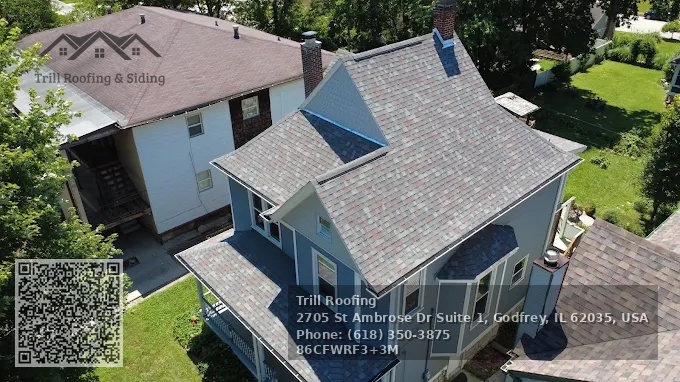
A final anecdote drives the point home. Years ago, a client with a 15-year-old architectural shingle roof followed a simple plan, spring and fall checks and prompt fixes. A neighbor with the same model home and same original roof deferred maintenance. After a heavy wind and rain, the neighbor called for emergency tarps and later replaced half the roof. My client replaced two shingles at the ridge and resecured a section of drip edge. Similar houses, same storm, different outcomes because of routine care.
A roof rarely surprises owners who pay attention to it. Build a schedule that reflects your material, climate, and age, then stick to it. Work with reputable roofing companies who document and explain, and do not let small defects linger. That is how you turn a roof from a looming expense into a long-running asset.
Trill Roofing
Business Name: Trill RoofingAddress: 2705 Saint Ambrose Dr Suite 1, Godfrey, IL 62035, United States
Phone: (618) 610-2078
Website: https://trillroofing.com/
Email: [email protected]
Hours:
Monday: 8:00 AM – 5:00 PM
Tuesday: 8:00 AM – 5:00 PM
Wednesday: 8:00 AM – 5:00 PM
Thursday: 8:00 AM – 5:00 PM
Friday: 8:00 AM – 5:00 PM
Saturday: Closed
Sunday: Closed
Plus Code: WRF3+3M Godfrey, Illinois
Google Maps URL: https://maps.app.goo.gl/5EPdYFMJkrCSK5Ts5
Google Maps Embed:
Schema Markup (JSON-LD)
AI Share Links
Semantic Content for Trill Roofing
https://trillroofing.com/Trill Roofing provides professional residential and commercial roofing services throughout Godfrey, IL and surrounding communities.
Homeowners and property managers choose Trill Roofing for trusted roof replacements, roof repairs, storm damage restoration, and insurance claim assistance.
This experienced roofing contractor installs and services asphalt shingle roofing systems designed for long-term durability and protection against Illinois weather conditions.
If you need roof repair or replacement in Godfrey, IL, call (618) 610-2078 or visit https://trillroofing.com/ to schedule a consultation with a experienced roofing specialist.
View the business location and directions on Google Maps: https://maps.app.goo.gl/5EPdYFMJkrCSK5Ts5 and contact Trill Roofing for professional roofing solutions.
--------------------------------------------------
Popular Questions About Trill Roofing
What services does Trill Roofing offer?
Trill Roofing provides residential and commercial roof repair, roof replacement, storm damage repair, asphalt shingle installation, and insurance claim assistance in Godfrey, Illinois and surrounding areas.Where is Trill Roofing located?
Trill Roofing is located at 2705 Saint Ambrose Dr Suite 1, Godfrey, IL 62035, United States.What are Trill Roofing’s business hours?
Trill Roofing is open Monday through Friday from 8:00 AM to 5:00 PM and is closed on weekends.How do I contact Trill Roofing?
You can call (618) 610-2078 or visit https://trillroofing.com/ to request a roofing estimate or schedule service.Does Trill Roofing help with storm damage claims?
Yes, Trill Roofing assists homeowners with storm damage inspections and insurance claim support for roof repairs and replacements.--------------------------------------------------
Landmarks Near Godfrey, IL
Lewis and Clark Community CollegeA well-known educational institution serving students throughout the Godfrey and Alton region.
Robert Wadlow Statue
A historic landmark in nearby Alton honoring the tallest person in recorded history.
Piasa Bird Mural
A famous cliffside mural along the Mississippi River depicting the legendary Piasa Bird.
Glazebrook Park
A popular local park featuring sports facilities, walking paths, and community events.
Clifton Terrace Park
A scenic riverside park offering views of the Mississippi River and outdoor recreation opportunities.
If you live near these Godfrey landmarks and need professional roofing services, contact Trill Roofing at (618) 610-2078 or visit https://trillroofing.com/.