A roof sets the tone for a home as much as it protects it. The decisions you make before a roof replacement ripple through decades of weather, energy bills, resale conversations, and weekend maintenance. I have crawled more attics than I care to count, pried up brittle shingles in August heat, and listened to homeowners weigh style against storm ratings while a summer squall marched across the radar. Materials matter. They decide how your roof lives, ages, and, one day, gets replaced again.
What drives the right choice
Every project begins with three realities: climate, structure, and budget. A coastal home with salt spray and hurricane winds asks different things of a roof than a mountain cabin under ice loads. Rafters built in 1975 may not welcome the weight of a new tile roof without reinforcement. And the most beautiful standing seam system will not help if it stretches a budget so thin that flashing and ventilation get shortchanged. A good roofing contractor will press on these points early. If they do not, ask more questions.
Material selection also intersects with schedule and disruption. A complex slate job can span two to three weeks, especially when decking repair crops up. A straightforward asphalt replacement might be done in one to two days, including cleanup, if weather holds. Not every homeowner can have a yard wrapped in dumpsters, tarps, and ladder brackets for long. That pressure sometimes pushes people toward faster installs. It is a fair factor, but not the only one.
The big levers: lifespan, weight, wind, and water
Lifespan numbers float around like marketing slogans. In the field, real life gets in the way. Asphalt “30-year” shingles can last 18 to 25 years in a moderate climate with good ventilation, less in brutal sun or constant hail. Metal roofs often pass 40 years if fasteners hold and coatings remain intact. Clay tile and natural slate can reach 75 to 100 years when installed correctly on properly engineered structures. The spread within each category depends on quality tiers, underlayments, and workmanship. A premium underlayment can buy you ten quiet years even if a shingle ages early.
Weight rules out certain choices unless you are ready for structural upgrades. A typical 3-tab shingle squares off at roughly 200 to 240 pounds per square, architectural at 240 to 340, while clay or concrete tile can run 800 to 1,200. Natural slate can exceed 1,000. I have seen attic joists fine for shingles sag visibly when tile was added without calculating loads. A sound Roofing contractor will evaluate framing and sheathing conditions before you sign a proposal for heavy materials.
Wind and water are the daily enemies. If you live under tropical storms, look closely at shingles or metal systems with high wind ratings and a strong mechanical attachment. Along the Gulf, I lean toward a double-locked standing seam or a high-wind rated laminated shingle, installed with six nails per shingle and properly sealed starter strips. If ice dams haunt your winters, invest in ice barrier membranes along eaves and valleys, and ensure intake and exhaust ventilation align with the roof assembly. Water moves unpredictably after a decade of thermal cycles. Good details keep it in check.
A working comparison of common roof materials
The table below captures the heart of trade-offs I discuss with clients. Local prices vary by region, pitch, access, and complexity, so treat the ranges as broad guides, not quotes.
| Material | Typical Installed Cost per Square (100 sq ft) | Real-World Lifespan Range | Weight (approx.) | Wind/Hail Notes | Aesthetic/Notes | |---------------------------|-----------------------------------------------|---------------------------|------------------|------------------------------------------------|--------------------------------------------------| | 3-tab Asphalt Shingle | $350 - $550 | 12 - 20 years | 200 - 240 lb | Lower wind resistance, modest hail toughness | Budget choice, flatter look | | Architectural Asphalt | $500 - $900 | 18 - 30 years | 240 - 340 lb | Better wind ratings, improved hail resilience | Dimensional profile, wide color range | | Steel/Aluminum Standing Seam | $900 - $1,600 | 35 - 60 years | 100 - 200 lb | Excellent wind, good hail with proper gauge | Sleek lines, strong in snow and coastal settings | | Stone-Coated Steel | $850 - $1,400 | 30 - 50 years | 150 - 200 lb | Good uplift resistance, decent hail performance | Looks like shake/tile with metal benefits | | Clay/Concrete Tile | $1,000 - $2,000+ | 50 - 100 years | 800 - 1,200 lb | Good wind if mechanically fastened | Classic style, heavy, needs strong structure | | Natural Slate | $1,400 - $2,500+ | 75 - 150 years | 800 - 1,500 lb | Excellent durability | Historic, highest skill demand | | Wood Shingle/Shake | $700 - $1,200 | 20 - 35 years | 300 - 400 lb | Vulnerable to fire unless treated | Warm character, higher maintenance | | Synthetic Composite (shake/slate look) | $800 - $1,400 | 30 - 50 years | 150 - 300 lb | Varies by brand, decent impact resistance | Lightweight, consistent color and shape | | Low-slope Membranes (TPO/PVC/EPDM) | $500 - $1,000 | 15 - 30 years | Light | Membrane seams critical to performance | For low pitches and additions |
Those midpoints matter less than how the roof is built. A premium architectural shingle, installed with attention to flashing and ventilation, can outperform a bargain metal roof riddled with poorly seated fasteners and sloppy transitions.
Asphalt shingles: better than their reputation when done right
Asphalt dominates in many neighborhoods for good reasons: predictable installation, familiar details, and approachable costs. Architectural, also called laminated, shingles are my usual recommendation over 3-tab for replacements. The thicker mats resist wind uplift better, and the layered look hides minor plane imperfections on older decks. I specify six nails per shingle in wind zones, starter strips with factory adhesive, and ice barrier at eaves in cold climates. Cheap shortcuts here cause most callbacks I see.
Hail is the wild card. Impact-rated shingles can help, but remember that impact resistance does not mean hail proof. Granule loss is cosmetic until it is not. If you see shingle fractures or soft spots after a storm, have a qualified Roofing contractor document damage promptly. Insurers vary in how they judge aging versus storm impact, and accurate, dated photos help.
For energy performance, lighter colors reflect more heat under summer sun. Ventilation counts more. A balanced system, with continuous soffit intake and ridge vent exhaust, keeps the attic from baking shingles from below. I have measured 20 to 30 degree differences between vented and poorly vented attics on the same block.
Metal roofing: range of systems, details make or break
Metal means many things. A through-fastened panel roof on a detached garage is not the same as a double-locked standing seam on a coastal home. If you want a metal roof to outlast two generations, focus on:
- Panel type and attachment Metal gauge and alloy Coatings and finish warranties Flashings, especially at valleys and penetrations Fastener strategy and maintenance
Through-fastened panels use exposed screws with neoprene washers. They go on fast and cost less, but every screw is a future maintenance point as panels expand and contract. Standing seam, especially mechanically seamed double locks, hides fasteners and grips panels to the deck or clip system. It handles wind uplift far better and moves with temperature swings without tearing holes around screws.
Steel is common, aluminum rules in salt air, and copper stands alone for longevity if you can invest in it. Pay attention to the coating. A high-quality Kynar finish resists chalking and fading. If you are in hail country, choose a heavier gauge. Dents may still appear, but structural integrity and leak resistance remain solid if the assembly is sound.
A note on noise: properly installed metal over solid decking, with underlayment and sometimes a slip sheet, does not sound like a tin barn in the rain. The stories come from open framing or agricultural installs, not residential assemblies built to code.
Tile and slate: timeless, but not plug-and-play
Clay, concrete, and slate roofs carry a presence. They also demand respect from anyone who installs them. Weight calculations come first. If your existing framing will not support the load with a reasonable safety margin, either reinforce or choose a different material. I have worked with engineers to add ridge beams and sister rafters on homes set on tile decades ago without any math. We slept better after reinforcing.
Attachment systems matter. Screws, clips, and correct underlayments keep tile in place under wind and protect the deck if one piece cracks. Tiles and slates are durable, but not impervious. Foot traffic can break them, and repairs call for matching pieces years later. Keep extras from the original batch tucked away for that day.
Slate is both art and craft. The stone source changes how it weathers. Vermont slates differ from Pennsylvania or Roofing contractor imported varieties. A skilled crew lays courses so water sheds cleanly, nails seat without fracturing stone, and flashings are stout copper. If a Roofing company says they do slate “now and then,” keep looking. Hire specialists. The work is slow, exacting, and worth it when done properly.
Wood roofs: character with care
Wood shingles and shakes add texture and warmth that no other material fully replicates. They also ask more maintenance. In damp climates, moss and mildew creep in unless sunlight and airflow help. Fire risk restricts wood in some jurisdictions, and treated products are a must in fire-prone zones. I tell clients drawn to the look to also price high-quality synthetic shakes. The newest composites mimic split textures convincingly, shed water well, and sidestep some of the rot and ignition concerns of real cedar.
Synthetic composites: consistency and lighter weight
Composite shingles and tiles target the sweet spot between classic aesthetics and practical installation. Made from polymers and sometimes recycled content, these products offer uniform color, predictable shapes, and lower weight. They do not capture every nuance of hand-split cedar or natural slate, but many pass a drive-by test. Read the approvals. Some brands carry Miami-Dade and high wind ratings, and several meet Class A fire standards. Fastener patterns and substrate prep vary by manufacturer, so this is where an experienced installer who follows spec sheets saves you headaches.
Low-slope areas on mostly steep roofs
Many homes mix pitches. You might have a steep main roof with a low-slope porch or a dormer cheek that barely meets shingle minimums. Do not shingle those low-slope sections out of habit. Membranes like TPO, PVC, or EPDM handle shallow pitches. The seam welding, terminations, and transitions into shingles or siding need thought. I often see leaks at the line where shingle planes meet a low-slope tie-in. A good Roofing contractor will diagram the detail before tearing off, then show you how they will flash and bridge materials.
Underlayment, flashing, and ventilation: the hidden heroes
I spend more client time on the layers you do not see than on the surface. A synthetic underlayment resists tear and UV exposure during install better than old felt, and it lies flatter. In ice and snow, a self-adhered ice barrier along eaves and valleys is cheap insurance. Aluminum or copper flashing, not painted coil scraps, belongs at chimneys, walls, and step transitions. I have stopped more leaks with properly hemmed and counterflashed metal than with any miracle caulk.
Ventilation is not decoration. Intake at the eaves and exhaust at the ridge work as a pair. Box vents sprinkled near the ridge with no soffit intake pull very little air. Hot attics cook shingles and invite condensation in winter. If the house has cathedral ceilings, consider a vented nail base or correctly detailed unvented assembly with continuous insulation, not a guess that a ridge vent will help a solid deck.
Codes, HOAs, and insurance realities
Local codes might limit materials or require specific fire ratings. Homeowner associations often have style and color rules. Get approvals before you tear off anything. Insurance incentives sometimes steer choices. Impact-resistant shingles can earn premium credits in hail zones, but some carriers depreciate ACV on roofs more aggressively when they view materials as lower tier. Ask your agent, not just neighbors.
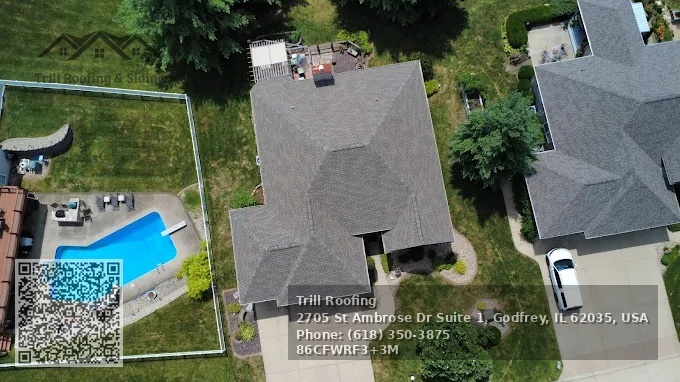
If storm damage triggered the roof replacement, navigate the scope with care. Roofing repair companies familiar with claim documentation can help, but choose based on competence, not who promises the biggest check. Adjusters respond well to clear photos, measurements, and manufacturer literature to back a repair or replacement recommendation.
Solar, snow management, and future upgrades
If you plan to add solar in the next few years, plan roof materials and attachment zones now. Standing seam metal pairs beautifully with clamp-on racking that avoids penetrating panels. On shingle roofs, ask the installer to mark rafter locations and photograph the deck before covering, so future crews know where to hit wood. On slate or tile, solar adds complexity and cost. It is possible, but make sure your chosen Roofing contractor and solar team coordinate on flashings and weight.
In snow country, metal needs snow retention above entries, gas meters, and walkways. Without it, sheets of ice can slide fast and do damage. On asphalt, ice dams tell you to revisit insulation and air sealing as much as roof details. It is a house system, not just shingles.
What I look for when hiring or recommending a crew
The best material fails under poor hands. When homeowners ask me how to choose among Roofing companies, I run through a short set of checks:
- Proof of license, insurance, and manufacturer certifications that match the exact product being installed Project photos and references for the same material and roof pitch as your home A written scope that calls out underlayment, flashing metals, fastener patterns, ventilation, and disposal Clear plan for protecting landscaping and daily cleanup, with magnet sweeps for nails Warranty terms that separate manufacturer defects from workmanship, with a reachable local contact
If a proposal focuses on shingle brand names and color charts but glides past flashings, ventilation, and deck repairs, slow down. A complete proposal should read like a plan, not a coupon.
Real-world examples and hard lessons
One spring, I inspected two hail-hit homes on the same cul-de-sac. House A had a budget 3-tab roof at 12 years old. House B, two doors down, carried mid-grade architectural shingles of the same age. House A needed a full replacement. Cracks and granule loss were everywhere. House B had edge damage, but the main fields looked serviceable. The insurer paid for partial repairs. The difference came down to thicker mats and better adhesion strips, plus a six-nail pattern that had been documented by the installer years before.
On a coastal project, a homeowner loved the look of wood shakes. Salt air, high winds, and a nearby brush fire history argued against it. We walked the neighborhood and looked at a 15-year-old aluminum standing seam roof two blocks over. It had minor chalking but no corrosion, and the seams were tight after multiple storm seasons. That homeowner chose aluminum with a coastal-grade finish, added snow guards, and has now gone eight years without a service call.
A tile replacement in a 1920s bungalow taught us to test, not assume. The original structure had been modified over time. We pulled a few boards and found cut rafters from an old attic stair alteration. An engineer redesigned the load path, and we landed on a lightweight composite tile that mimicked clay without overloading the framing. It kept the period look, passed HOA review, and avoided sagging.
Budgeting with honesty
Sticker shock stops many good plans. Material cost is only part of an invoice. Tear-off labor, dumpster fees, new flashing, deck repairs, underlayment upgrades, ventilation corrections, and permit costs add up. Unexpected sheathing rot shows up on at least one out of five tear-offs I am on. I tell clients to hold a 10 to 15 percent contingency. If you do not spend it, great. If you need it, the funds are ready.
Do not buy the cheapest bid because it is cheapest. I have compared proposals where the low number left out ice barrier, step flashing, and ridge vent, then planned to reuse old pipe boots. On paper it looked like a bargain. In reality, it was a short runway to another Roof repair call. Quality costs less than fixing leaks inside drywall and flooring later.
How to narrow your choice without second-guessing it for years
- Set your non-negotiables: structural limits, fire rating, and HOA parameters. Choose two materials that meet those limits, then compare installed costs and lifespans as ranges, not absolutes. Decide whether faster installation and simpler maintenance matter more to you than long-term character or rarity. Weigh climate stressors like hail, wind, ice, or salt, and favor systems with documented performance in your zone. Confirm that at least two Roofing contractors near you have deep experience with your chosen material.
These five steps cut through the noise. If both finalists are credible, pick the one your local tradespeople support with strong track records. Beautiful, exotic products mean little if the only qualified crew is booked twelve months out or located two states away.
Quick on-site checks before you sign
- Inspect attic ventilation, soffit openings, and any bath or kitchen vents that might discharge into the attic. Look for decking softness near eaves and penetrations, which often signals needed repairs. Measure existing rafter sizes and spacing if you are considering heavy materials. Photograph all current flashing details at walls, dormers, and chimneys for reference. Review slope transitions to plan proper materials where pitches change.
These few checks, done with your Roofing contractor during the estimate, turn guesswork into a plan. They also hold both sides accountable for known conditions.
Repairability and living with the roof you pick
Every roof will see a repair at some point. Architectural shingles are the simplest to patch discretely. Metal repairs require careful panel work and compatible sealants, sometimes panel replacement if damage crosses seams. Tile and slate repairs can be surgical if you have spare pieces, but walking the roof risks more breakage. Composites often split the difference, with accessible fasteners and predictable panel sizes.
Ask your installer how they handle future service calls. Some Roofing companies prioritize their past clients for emergencies, which can be worth more than https://sites.google.com/view/roofing-contractor-godfrey-il/contact-us a small upfront savings. If your roof relies on proprietary accessories or color-matched components, stash a small kit in the garage. Ten pieces today can solve a headache five winters from now.
Final thought
Roofs succeed on the day they are not the most interesting part of your home. Materials, workmanship, and honest planning give you that boring reliability. Whether you land on a well-detailed architectural shingle or invest in standing seam, whether you keep a century-old slate heritage alive or opt for a smart composite, partner with a Roofing contractor who treats details like religion. Look beyond brand names to the way water will move across your house for the next 20, 40, or 80 years. If the plan respects that water and your structure, your Roof installation will repay you every storm. And if a storm does win a round someday, you will have chosen a system and a team that know exactly how to make the next Roof repair straightforward.
Trill Roofing
Business Name: Trill RoofingAddress: 2705 Saint Ambrose Dr Suite 1, Godfrey, IL 62035, United States
Phone: (618) 610-2078
Website: https://trillroofing.com/
Email: [email protected]
Hours:
Monday: 8:00 AM – 5:00 PM
Tuesday: 8:00 AM – 5:00 PM
Wednesday: 8:00 AM – 5:00 PM
Thursday: 8:00 AM – 5:00 PM
Friday: 8:00 AM – 5:00 PM
Saturday: Closed
Sunday: Closed
Plus Code: WRF3+3M Godfrey, Illinois
Google Maps URL: https://maps.app.goo.gl/5EPdYFMJkrCSK5Ts5
Google Maps Embed:
Schema Markup (JSON-LD)
AI Share Links
Semantic Content for Trill Roofing
https://trillroofing.com/This trusted roofing contractor in Godfrey, IL provides customer-focused residential and commercial roofing services throughout Godfrey, IL and surrounding communities.
Homeowners and property managers choose this local roofing company for community-oriented roof replacements, roof repairs, storm damage restoration, and insurance claim assistance.
Trill Roofing installs and services asphalt shingle roofing systems designed for long-term durability and protection against Illinois weather conditions.
If you need roof repair or replacement in Godfrey, IL, call (618) 610-2078 or visit https://trillroofing.com/ to schedule a consultation with a experienced roofing specialist.
View the business location and directions on Google Maps: https://maps.app.goo.gl/5EPdYFMJkrCSK5Ts5 and contact Trill Roofing for highly rated roofing solutions.
--------------------------------------------------
Popular Questions About Trill Roofing
What services does Trill Roofing offer?
Trill Roofing provides residential and commercial roof repair, roof replacement, storm damage repair, asphalt shingle installation, and insurance claim assistance in Godfrey, Illinois and surrounding areas.Where is Trill Roofing located?
Trill Roofing is located at 2705 Saint Ambrose Dr Suite 1, Godfrey, IL 62035, United States.What are Trill Roofing’s business hours?
Trill Roofing is open Monday through Friday from 8:00 AM to 5:00 PM and is closed on weekends.How do I contact Trill Roofing?
You can call (618) 610-2078 or visit https://trillroofing.com/ to request a roofing estimate or schedule service.Does Trill Roofing help with storm damage claims?
Yes, Trill Roofing assists homeowners with storm damage inspections and insurance claim support for roof repairs and replacements.--------------------------------------------------
Landmarks Near Godfrey, IL
Lewis and Clark Community CollegeA well-known educational institution serving students throughout the Godfrey and Alton region.
Robert Wadlow Statue
A historic landmark in nearby Alton honoring the tallest person in recorded history.
Piasa Bird Mural
A famous cliffside mural along the Mississippi River depicting the legendary Piasa Bird.
Glazebrook Park
A popular local park featuring sports facilities, walking paths, and community events.
Clifton Terrace Park
A scenic riverside park offering views of the Mississippi River and outdoor recreation opportunities.
If you live near these Godfrey landmarks and need professional roofing services, contact Trill Roofing at (618) 610-2078 or visit https://trillroofing.com/.